
For many Australians, the dream setup isn’t just the van. It’s the van plus a capable tow vehicle to pull it, and together that can easily cost more than $150,000. That’s a serious amount of money, and how you fund it matters just as much as which models you choose.
Whether you’re planning a few long weekends a year or the full lap of the country, here’s how to approach financing both halves of your rig without stretching the budget too thin.
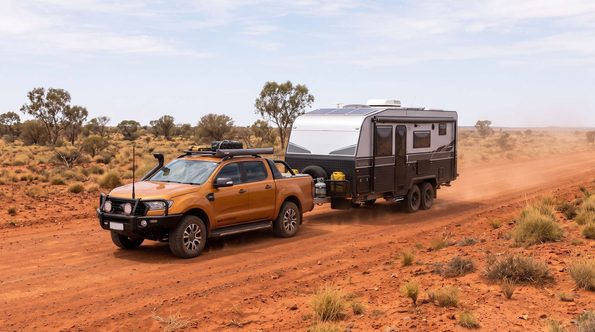
Start with the total, not the parts
It’s easy to fall for a caravan, sort the finance, and only then realise your current car can’t tow it. The smarter move is to price the whole setup from day one.
Begin with the van you want and its loaded weight (ATM). From there, work backwards to the towing capacity and gross combination mass your vehicle will need, with a healthy margin for water, gear, and passengers. Once you know both numbers, you can set a realistic budget for each purchase. Our guide to buying a caravan on a budget has more on the hidden costs worth factoring in, from insurance to accessories.
Two loans, two different jobs
A tow vehicle and a caravan are different assets, so they’re often financed differently. Car loans are usually secured against the vehicle, and caravan loans work in a similar way, but terms, rates, and fees can vary between lenders and between new and used purchases.
When working out the best way to finance a brand new car for towing, it helps to compare lenders on the total cost over the full term rather than the weekly repayment alone. Brokers can save a lot of legwork here. For instance, you can finance a brand new car with Rodar, which is a new car broker that compares options across more than 30 lenders and has dealers compete on the vehicle price at the same time.
Five tips to keep repayments manageable
- Buy in the right order. Many buyers lock in the tow vehicle first, since its capacity limits which vans are realistic.
- Get pre-approval for both. Knowing your borrowing limits upfront stops you falling for a setup you can’t comfortably afford.
- Watch the balloon. A large balloon payment lowers weekly repayments but leaves a big bill at the end of the term.
- Leave room for the extras. Weight distribution hitches, brake controllers, solar, and annexes can add thousands to the final cost.
- Think about resale. Popular tow vehicles and well-known caravan brands tend to hold their value better, which helps if your plans change.
Don’t forget running costs
Towing increases fuel use, tyre wear, and servicing needs. Registration, insurance, and storage for the van all add up as well. Building these into your budget now means your repayments won’t squeeze the fun out of your trips later.
The bottom line
The right setup is the one you can enjoy without financial stress. Price both halves together, compare finance carefully on each, and give yourself a buffer for the unexpected. Do that, and the open road will feel a lot more relaxing.


