
Expanding freight supply chains across Queensland are creating steady demand for certified commercial vehicle drivers with verified operational skill sets.
The movement of goods is crucial for modern economies and forms the link between manufacturers, retailers, suppliers, and customers right across the country. As businesses continue to expand their distribution networks and customers demand faster delivery times, the need for reliable freight transport is increasing all the time.
This provides a real opportunity for people looking to build a career in the transport and logistics industry, particularly if they are prepared to go through and obtain the necessary qualifications to drive commercial vehicles and the various types of plant and machinery.
For a lot of people, commercial transport qualifications are more than just a professional necessity. They’re a “ticket” into an industry that has a wide range of roles, a lot of hands-on work, and the opportunity to develop skills.
As the freight industry becomes more demanding, employers are looking for people who have the driving experience as well as the right training and an understanding of the safety aspects of the job.
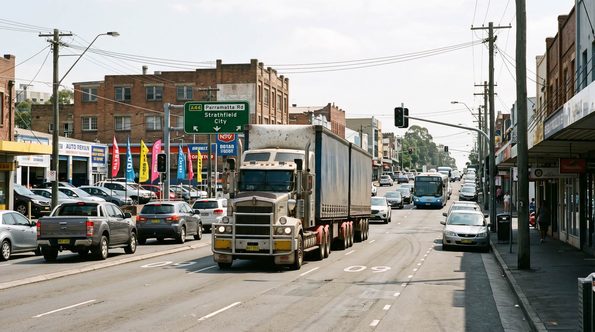
Expanding Skills Beyond Conventional Truck Driving
The transport sector is a lot broader than just long-distance freight driving. You’ve got warehouses, you’ve got construction sites, and you’ve got all sorts of industrial sites and logistics centres that require people to be driving all sorts of different vehicles and equipment. This is one of the reasons why some people are interested in obtaining machinery & truck licenses, as far as this landscape is concerned. Getting qualifications in a range of equipment types can be a useful way of preparing for a range of different roles, depending on the local licensing regime and the requirements of the employer.
For instance, freight operations could involve loading and unloading of goods, moving materials around the storage facilities, or moving equipment between sites. Workers with relevant additional training may be better positioned to understand how these activities fit into the wider logistics process.
Growing Freight Volumes Leads To Better Employment Opportunities
Freight transport supports numerous industries from construction and manufacturing through to retail, agri, and e-commerce. Every stage of the supply chain requires goods to be moved from one point to another, whether that’s from one warehouse to another, from a DC to a port, or from a port to a customer.
The growth of e-commerce has changed delivery expectations. You have to move goods quickly, have reliable schedules, and manage a very complex distribution network. The same applies to construction and infrastructure projects where you’re constantly moving materials, plants, and heavy loads.
The Importance Of Commercial Qualifications
Commercial transport comes with different responsibilities in comparison to ordinary driving. The vehicles involved have very different characteristics in terms of handling, braking distance, and visibility.
You’ve got to be aware of load securement, you’ve got to be aware of vehicle inspections, you’ve got to be aware of the various road regulations, and you’ve got to plan your route properly.
Formal training will, of course, help the worker to acquire the knowledge and practical skills required for the job. It will also enable the employer to assess whether the individual is capable of carrying out the duties in a safe and competent manner.
Rising freight requirements are creating opportunities for the right sort of worker to develop the necessary qualifications in commercial transport. By choosing relevant training, prioritising safety, and continuing to build practical experience, workers can establish a strong foundation for a career in this essential industry.


