
Understanding the lifecycle of used trucks is not just relevant to fleet operators and buyers; it can also help Australian learner drivers preparing for licence tests. By learning how trucks are maintained, inspected and regulated, drivers can better understand heavy vehicle safety, road rules and the responsibilities that come with sharing the road with large commercial vehicles.
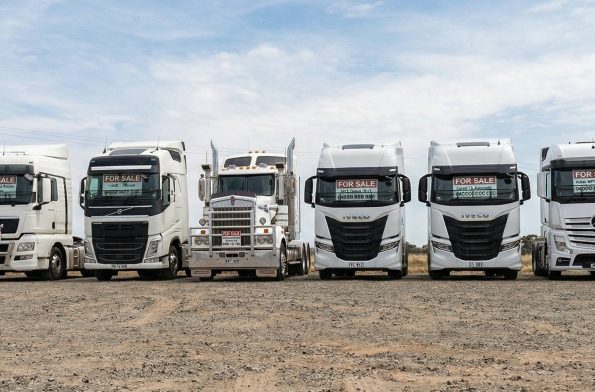
Understanding how trucks are used, maintained, resold and inspected is not only important for fleet operators and buyers, but also for learner drivers in Australia who are preparing for heavy vehicle licence tests. While discussions about used trucks in Europe on Truck1 often focus on resale and fleet cycles, there are many lessons to be learned about the life cycle of a truck that are directly relevant to Australian road rules, licensing knowledge and vehicle safety awareness.
For learner drivers using educational platforms such as this site, learning about truck lifecycles can improve their understanding of heavy vehicle safety, maintenance responsibilities, and road-sharing rules. Trucks behave differently from passenger vehicles, and understanding how they are operated and maintained helps drivers become safer and more informed road users.
Why Truck Knowledge Matters for Australian Licence Tests
In Australia, drivers who want to operate trucks must obtain specific heavy vehicle licences such as Light Rigid (LR), Medium Rigid (MR), Heavy Rigid (HR) or Heavy Combination (HC). Even standard car licence learners are expected to understand how to safely share the road with large vehicles.
Truck-related knowledge that may appear in Australian driver knowledge tests includes:
- Safe following distances behind trucks.
- Blind spots around heavy vehicles.
- Load restraint safety.
- Turning space requirements.
- Braking distances for heavy vehicles.
- Road weight limits and signage.
Understanding how trucks are maintained and inspected is also relevant because heavy vehicle safety is a major focus of Australian road regulations.
The Lifecycle of a Commercial Truck
Most commercial trucks go through several stages during their working life. This lifecycle is similar in many parts of the world, including Europe and Australia.
Initial Fleet Ownership
Many trucks begin their life owned by a transport company or logistics fleet for whom owning the truck is the main reason for their business (as opposed to, for example, a company that retails appliances, but owns a truck for deliveries). These companies monitor:
- Mileage.
- Load weights.
- Maintenance schedules.
- Driver usage.
- Fuel consumption.
- Safety inspections.
Fleet operators usually replace trucks after several years to maintain reliability and comply with safety and emissions regulations.
Resale to Secondary Owners
After several years of heavy use, trucks are often sold to smaller businesses, contractors or independent operators. These trucks may still be reliable, but will usually have higher mileage and visible wear.
This stage is important because the quality of maintenance during the first ownership period strongly affects how safe and reliable the truck will be for future owners.
Maintenance and Safety Inspections
One of the most important parts of a truck’s lifecycle is ongoing maintenance and inspection. In Australia, heavy vehicles must meet strict roadworthiness standards before they can be registered and driven on public roads.
Key safety components inspected on trucks include:
- Brakes.
- Tyres.
- Suspension.
- Steering.
- Lights and indicators.
- Mirrors and visibility aids.
- Load restraint systems.
- Coupling devices for trailers.
For learner drivers, this connects directly to heavy vehicle knowledge tests, where questions often focus on identifying unsafe vehicles or understanding basic inspection procedures.
Roadworthiness and Compliance in Australia
In Australia, trucks must pass roadworthy inspections and comply with national heavy vehicle regulations. These are overseen by organisations such as:
- National Heavy Vehicle Regulator (NHVR).
- State road authorities such as Transport for NSW or VicRoads.
- Heavy Vehicle National Law (HVNL).
These regulations cover:
- Maximum load weights.
- Vehicle dimensions.
- Maintenance standards.
- Driver work hours.
- Load restraint requirements.
- Safety inspections.
Understanding these rules is useful for both truck licence applicants and regular drivers who share the road with heavy vehicles.
Buying Used Trucks and Safety Considerations
When used trucks are sold on platforms like Truck1, buyers usually consider several important factors:
- Mileage and usage history.
- Maintenance records.
- Previous accident damage.
- Engine and transmission condition.
- Brake and tyre wear.
- Chassis condition and rust.
- Availability of spare parts.
A mechanical inspection is often recommended before purchase. From a licensing and education perspective, this highlights an important road safety concept: vehicle condition directly affects road safety.
Poorly maintained trucks can have longer stopping distances, steering issues or tyre failures, which can be dangerous for all road users.
How This Knowledge Helps Learner Drivers
Even if learner drivers are not planning to drive trucks, understanding heavy vehicles helps them:
- Pass driver knowledge tests.
- Drive more safely around trucks.
- Understand road rules related to heavy vehicles.
- Recognise unsafe vehicles on the road.
- Learn about vehicle maintenance responsibility.
- Prepare for future heavy vehicle licences.
Truck safety is a major part of road safety education in Australia because heavy vehicles are involved in a significant portion of serious road accidents.
Final Thoughts
The lifecycle of used trucks, from fleet ownership to resale and ongoing maintenance, provides valuable lessons about vehicle safety, inspections and roadworthiness. While discussions about used truck markets often focus on resale value and fleet management, the topic is also highly relevant to Australian learner drivers preparing for licence tests.
Understanding how trucks are maintained, inspected and regulated helps drivers become safer road users and improves knowledge of heavy vehicle rules. Educational platforms like DriverKnowledgeTests.com aim to prepare drivers not just to pass tests, but to understand how different vehicles operate safely on Australian roads.
By learning about truck safety, maintenance and road rules, learner drivers can build better driving habits, improve test performance and contribute to safer roads for everyone.


