
If you are hearing strange sounds from your vehicle, whether while preparing for a drive test or heading out for a lesson, it may be an indication that something is wrong. There are many things that you, as a driver, can and should do before these sounds become something more serious and require you to see a professional and get car servicing in Preston or beyond.
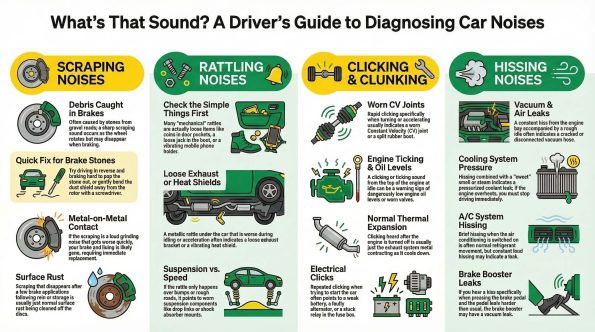
Let’s look at some pre-emptive steps you can take as a driver to begin ‘diagnosing’ that strange sound before forking over for a professional to make sure your car can pass a driving test. Doing these checks will actually make your mechanic’s life easier, too.
The good thing is that when you regularly drive the same car, you have most likely become attuned to its noises, whether that be the rumble of the engine or the whirr of the heating vents, so it becomes much easier to notice any new ones. Here are some common noises and what their cause might be:
Scraping noise
Most common in older vehicles, and usually the brake components or wheel bearings are to blame.
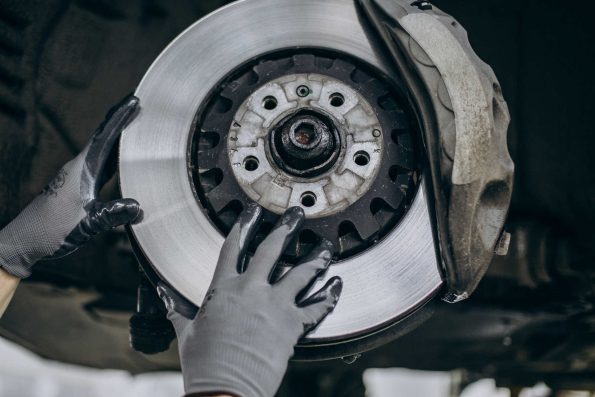
1. Stone or debris caught in the brake
This is very common, especially after driving on gravel roads.
Symptoms
- Sharp scraping sound when the wheel rotates
- Often happens suddenly
- May disappear when braking
How to fix
- Turn the steering wheel fully to expose the brake area (front wheels).
- Look between the brake disc (rotor) and the dust shield.
- Remove any stones or debris with a screwdriver or by tapping the shield lightly.
- If needed, slightly bend the dust shield away from the rotor.
An alternative is to drive in reverse and brake hard – this can pop the stones out of the front of the pads.
2. Brake pad worn down to metal
If the pad lining is gone, the metal backing plate scrapes the rotor.
Symptoms
- Loud grinding noise when braking
- Noise gets worse quickly
- Reduced braking performance
Fix
- Replace the brake pads immediately
- Rotor may also need machining or replacement.
3. Rust on brake discs
After rain or the vehicle sitting for a while, surface rust forms on the discs.
Symptoms
- Scraping noise when first driving
- Usually disappears after a few brake applications
Fix
- Drive slowly and apply brakes a few times to clean the discs.
4. Bent brake dust shield
The thin metal shield behind the rotor can bend and touch the disc.
Symptoms
- Continuous scraping sound that changes with speed
- Happens even when not braking
Fix
- Jack up the vehicle
- Locate the shield behind the rotor
- Bend it slightly away from the disc.
5. Stuck brake pad or calliper
If the pad isn’t retracting, it may drag on the rotor.
Symptoms
- Scraping plus heat from the wheel
- Vehicle may pull slightly to one side
Fix
- Remove and clean the calliper slides
- Lubricate with high-temperature brake grease
- Replace seized components if necessary.
Rattling noise
Definitely the most annoying noise as it’s often constant, and can be due to a wide variety of things:
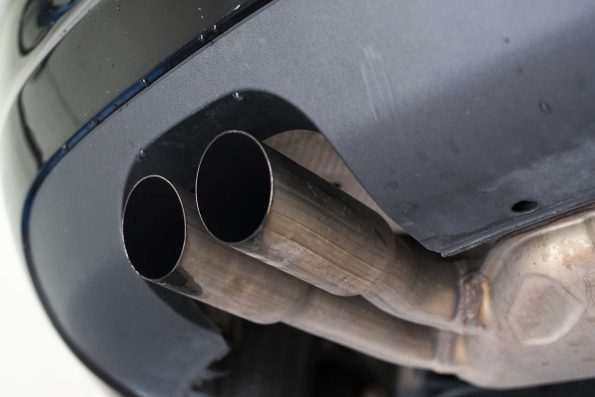
1. Loose exhaust or heat shield
This is one of the most common causes.
Symptoms
- Metallic rattling under the car
- Worse when idling or accelerating
- Often disappears at higher speeds
Cause
- Loose exhaust bracket
- Broken rubber exhaust hanger
- Heat shield vibrating against the exhaust
Fix
- Tighten or replace hangers
- Secure heat shield with clamps or bolts.
2. Loose items in the car
Sometimes the noise is much simpler.
Examples
- Coins or tools in door pockets
- Loose jack or spare wheel in the boot
- Loose number plate
- Mobile phone holder vibrating
Always check the boot, glovebox, and door compartments first.
3. Worn suspension components
If the rattle occurs over bumps.
Possible causes
- Worn drop links (sway bar links)
- Worn shock absorber mounts
- Loose suspension bolts
- Worn ball joints
Symptoms
- Rattle or knocking over rough roads.
4. Loose brake components
Brake pads or callipers can rattle.
Symptoms
- Rattle when driving slowly
- Noise may disappear when pressing the brake pedal.
Cause
- Worn pad clips
- Loose calliper hardware.
5. Engine-related rattles
If the noise comes from the engine bay.
Possible causes
- Loose engine cover
- Loose air intake parts
- Worn timing chain (more serious)
Symptoms
- Rattle at idle or during acceleration.
6. Loose interior trim
Plastic panels can vibrate.
Examples
- Dashboard trim
- Door panels
- Centre console pieces.
7. Loose wheel components
More serious but possible.
Examples
- Loose wheel nuts
- Loose hub caps.
Always check wheel nuts if you hear a new rattle after wheel work.
Clicking and clunking noises
From low engine oil to a faulty CV axle (joint), there are many reasons why your vehicle may be making a clicking sound; one single click may be caused by a defective starter motor, while repeated clicking may be due to a faulty alternator or battery.
1. Worn CV joint (very common)
This usually happens in front-wheel drive vehicles.
Drivetrain components can create clunks and clicks when worn.
Symptoms
- Clunk when accelerating or changing direction
- Sometimes when shifting from reverse to drive
- Rapid clicking when turning, especially during acceleration
- Noise comes from the front wheels
Cause
- The constant velocity (CV) joint is worn or the protective rubber boot has split and lost grease.
Fix
- Replace the CV joint or driveshaft.
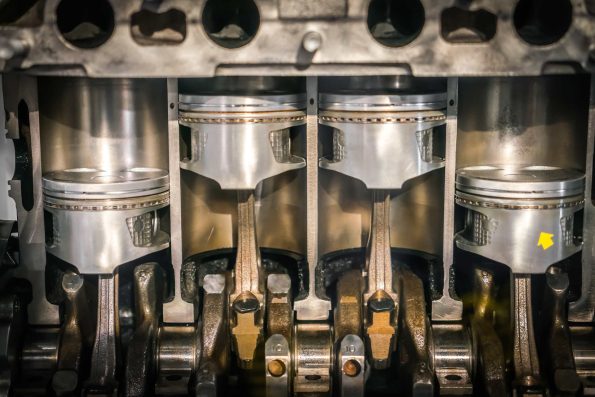
2. Low engine oil or valve noise
Clicking from the engine can indicate valve train noise.
Symptoms
- Clicking or ticking at idle or when revving
- Noise from the top of the engine
Possible causes
- Low oil level
- Worn lifters or valves
Fix
- Check and top up engine oil
- If it continues, it may need mechanical inspection.
3. Loose or worn brake components
Brake pads or clips can make a clicking sound.
Symptoms
- Clicking when braking or releasing the brake
- Sometimes when changing direction (forward to reverse)
Cause
- Pads shifting slightly in the caliper.
4. Stuck relay or electrical component
Electrical parts can click.
Symptoms
- Clicking from dashboard or fuse box
- Happens when turning ignition on or using accessories
Common causes
- Faulty relay
- Weak battery.
5. Cooling exhaust parts
After turning the engine off, the exhaust may click.
Symptoms
- Clicking sound after parking the car
Cause
- Normal metal expansion and contraction as the exhaust cools.
6. Worn suspension joints
If the clicking occurs over bumps.
Possible causes
- Worn ball joints
- Worn drop links
- Loose suspension bolts.
Hissing noise
A hissing noise in a car usually means air, gas, or fluid escaping under pressure. Some causes are normal, while others may indicate a problem. The timing of the noise helps identify the cause. 🚗🔧
1. Vacuum leak (common cause)
Modern engines use vacuum hoses for many systems.
Symptoms
- Hissing sound from the engine bay
- Rough idle or poor engine performance
- Engine warning light may appear
Cause
- Cracked or disconnected vacuum hose
- Leaking intake manifold gasket
Fix
- Inspect and replace damaged hoses.
2. Cooling system leak
Pressurised coolant can create a hissing noise when escaping.
Symptoms
- Hissing from under the bonnet
- Steam or coolant smell
- Engine temperature rising
Possible causes
- Radiator leak
- Split coolant hose
- Faulty radiator cap.
If the engine is overheating, stop driving.
3. Air conditioning system
The A/C system may hiss when operating.
Symptoms
- Hissing when the air conditioning is switched on
- Noise from dashboard vents
Cause
- Refrigerant moving through the system (often normal).
However, constant loud hissing may indicate a refrigerant leak.
4. Brake system vacuum leak
The brake booster uses vacuum to assist braking.
Symptoms
- Hissing when pressing the brake pedal
- Brake pedal feels harder than normal
Cause
- Brake booster leak or hose damage.
5. Steam or pressure after engine shutdown
Sometimes you may hear a brief hiss after turning the engine off.
Cause
- Cooling system releasing pressure
- Normal heat expansion.
But continuous hissing could indicate a coolant leak.
6. Tyre leak
Air escaping from a tyre can produce a hissing sound.
Symptoms
- Tyre slowly losing pressure
- Hiss near a wheel
Noises are the first signs that something is wrong with your car, especially with key components. If you are still not sure what is causing the strange noise, then it is important to book a diagnostic test with a professional as soon as possible.


