
We focus on helping new drivers understand the rules before they sit their theory exam. But knowing the handbook is only part of the journey. Real confidence comes from applying those rules on actual roads, in real traffic, with real decisions to make.
If you’re visiting Victoria, relocating for work or study, or simply need temporary transport, organising a car rental Melbourne option can be a practical way to gain that real-world experience. For information about vehicle types and pick-up locations, you can visit this page on car rental in Melbourne.
Whether you’re a learner, a newly licensed driver, or an overseas visitor adjusting to Australian conditions, here’s what you should know before driving in Melbourne.
Melbourne’s Road Rules: What Makes It Different?
Most Victorian road rules follow national standards, but Melbourne has a few features that surprise new drivers.
Hook Turns in the CBD
Hook turns are unique to Melbourne’s central business district. At selected intersections, right turns are made from the left lane. This design prevents cars from blocking trams and through traffic.
If you’ve completed Victorian practice tests, you’ve likely seen this scenario in theory questions. In practice, it works like this:
- Move into the far left lane at the intersection.
- Indicate right.
- Drive forward into the intersection and position your vehicle straight.
- Wait for the traffic lights on the street you’re turning into to turn green.
- Complete your turn when it’s safe.
Clear signage will say “Right Turn from Left Only.” Take your time. Local drivers are used to it.
Tram Awareness
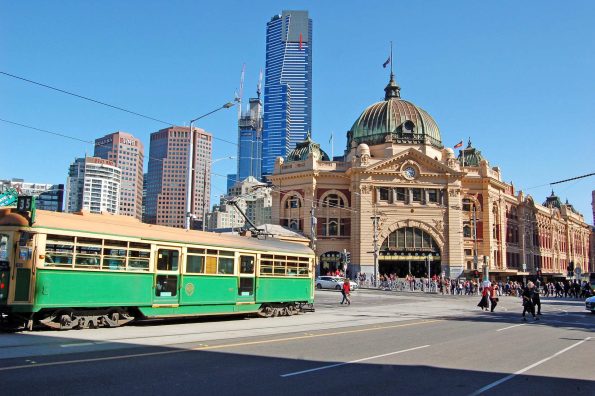
Melbourne’s tram network runs through many inner suburbs. Drivers must stop when tram doors are open and passengers are boarding or alighting, unless the stop has a safety platform. This is strictly enforced and frequently tested in knowledge exams.
If you’re new to driving in Victoria, spend time observing how traffic behaves around trams before navigating busy CBD streets.
Speed Limits and Enforcement
Victoria is known for strict speed enforcement. Fixed and mobile speed cameras operate across metropolitan and regional areas. Even small excesses over the limit can result in fines and demerit points.
Common speed zones include:
- 50 km/h in built-up areas
- 40 km/h near schools during designated times
- 100 km/h on many regional highways
Speed limits can change quickly as you move between suburbs or road types. Always watch for updated signage, particularly when exiting freeways or entering rural towns.
For learner and provisional drivers, understanding speed management isn’t just about avoiding penalties. It’s about building safe habits early.
Practising in Different Driving Conditions
One advantage of having access to a rental vehicle is the ability to practise in varied environments. Melbourne offers a wide range of driving experiences within a short distance.
Coastal Driving: Great Ocean Road

The Great Ocean Road is scenic but demanding. Expect sharp bends, narrow sections, changing weather conditions, and occasional wildlife. Drivers must maintain focus, manage speed carefully, and avoid drifting across centre lines.
For new drivers, this type of road reinforces hazard perception skills tested in licensing exams.
Rural Roads: Yarra Valley

Driving through the Yarra Valley introduces longer stretches of open road and higher speed limits. Fatigue management becomes more important, especially on extended trips. Wildlife crossings are also more common at dawn and dusk.
Experiencing these conditions helps bridge the gap between theory questions and practical awareness.
Overseas Drivers: What to Check First
If you hold an overseas licence, check Victoria’s recognition rules before driving. Some licences are valid for temporary visits, while permanent residents may need to convert to a Victorian licence and complete tests.
Key reminders for overseas drivers:
- Drive on the left side of the road.
- Give way to the right at unsigned intersections.
- Use headlights in low visibility conditions.
- Mobile phone use is prohibited unless hands-free and legally mounted.
Many drivers underestimate how different driving on the left can feel. Take your first trip during quieter traffic periods to build confidence gradually.
Parking and City Navigation
Melbourne’s parking rules can be detailed. A single sign may display multiple time limits depending on the day and hour. Always read the entire sign, not just the top line.
Common challenges include:
- Clearways during peak hours
- Permit zones in residential areas
- Metered parking with time limits
If you’re new to city driving, consider choosing a compact vehicle. Smaller cars make navigating narrow laneways and parallel parking easier.
Planning ahead also helps. If you’re staying in the CBD, check whether your accommodation provides parking. Street availability can be limited and expensive.
Building Confidence Beyond the Test
Passing a knowledge test proves you understand the rules. Applying them consistently is what makes you a safe driver.
Here are a few practical tips:
- Start with shorter trips in low-traffic areas.
- Gradually introduce more complex environments, such as multi-lane roads.
- Review road signs regularly to refresh your memory.
- Practise defensive driving techniques, including safe following distances.
Confidence grows through repetition and reflection. After each drive, consider what went well and what you could improve.
Responsible and Sustainable Driving
Modern mobility also involves thinking about impact. Many drivers now consider fuel efficiency, emissions, and vehicle choice when planning trips. Opting for smaller or more efficient vehicles reduces fuel consumption and makes city driving easier.
Smooth acceleration, steady braking, and maintaining appropriate speeds not only improve safety but also lower environmental impact.
Final Thoughts
Melbourne offers an excellent environment for developing real-world driving skills. From tram-lined city streets to coastal highways and rural backroads, it presents a variety of challenges that reinforce what you’ve studied.
W encourage learners and new residents to treat every drive as an opportunity to strengthen awareness and judgment. Preparation matters. Understanding local rules matters. And choosing the right vehicle for your needs can make the experience smoother.
Driving is a responsibility, not just a convenience. Approach it with patience, stay alert, and keep learning long after the test is over.


