
Car accidents are unnerving. Understanding how to deal with the aftermath can alleviate anxiety and protect your rights. In this article, we will explain how you should respond if you are in this situation.
Ensure Safety First
It is essential for drivers to know what to do with a car accident. Safety is always the priority and should be the first thing that drivers should be concerned about after an accident. Your next actions depend on the severity of the accident, the location of the vehicles, whether they are driveable and whether there are injuries.
Get yourself and others to safety if you can – behind a barrier, inside a building, and further than 30 metres away if there is a vehicle fire. Don’t become another injury statistic while you are dealing with the crash.
Injuries are a priority: you will need to call emergency services and notify the police without delay. It is important not to panic; you should stay calm.
If possible, relocate the vehicles to a safer space and switch on the hazard lights to warn other drivers and avoid further incidents.
If there is a fire and you know how to use a fire extinguisher, extinguish the fire if possible.
Contact Authorities
It’s not a legal requirement to call the police unless someone is injured or killed, a driver is suspected of being under the influence of drugs or alcohol, a vehicle needs to be towed, there’s damage to public property, or one driver refuses to exchange information with the other. Immediate reporting is only required for injuries and road blockages, otherwise report it within 24 hours. A written report will help you file insurance claims and, if needed, take legal action. It is important to be as accurate as possible regarding what happened.
Gather Information and Document the Scene
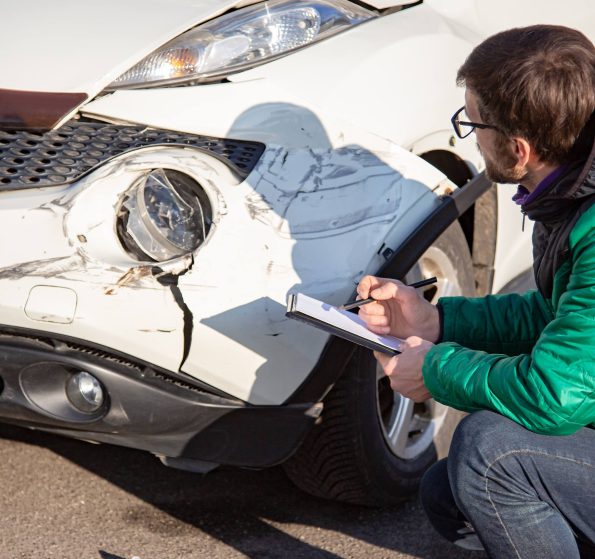
Collecting information is essential. Swap names, contact information, and insurance details with the other driver. If you can, write down the make and model of the vehicles involved, as well as their licence plate numbers. Take a lot of photos from every angle of the scene, including any damage to the vehicles and to public property. You’ll need establishing shots where the whole scene is shown (this helps establish weather conditions, vehicle position and more), and close-up shots where you can see detail. Document skid marks. Note if any damage seems like it was existing (e.g. evidence of rust). If there are any witnesses, make a note of their contact information as well.
Notify Your Insurance Company
Notify your insurer about the accident as soon as possible. If you report the incident to your insurer as soon as it happens, it will expedite the processing of your claim. Give them everything you have compiled and follow their instructions. If there are discrepancies regarding how the incident occurred, it will make the claim more difficult to process. It is important to be honest and detail-oriented when communicating with the insurance company.
Seek Medical Attention
Regardless of whether you see obvious injuries or not, getting medically checked is a smart move. Not all injuries may present with symptoms right away. Healthcare professionals can recognise problems you may not notice, such as a concussion. Medical records can also serve as crucial evidence.
Maintain a Record
It is helpful to maintain a detailed record of all communications and documents related to the accident. This includes police reports, medical records, insurance correspondence, and repair estimates. Should you need to interact with your insurance company or a lawyer, having your records in order can help you clarify details and resolve disputes during the process.
Understand Your Rights
It is a good idea to know what your legal rights and responsibilities are following an accident. Because laws will vary, it might be prudent to seek legal advice, particularly if the damages are significant or contested. Lawyers can explain your rights and help you prepare for the legal process.
Consider Repair Options
After dealing with all safety and legal aspects, focus on the repairs of the vehicle. Be sure to get repair estimates from several shops to make sure you are not being overcharged. Although your insurance company may have suggestions on where to take your car for repairs, you can choose your own repair shop.
Conclusion
After a car accident, you should prioritise safety, call emergency services, notify the authorities and your insurance company, and collect evidence from the scene. Next, maintain extensive records, understand your rights, and focus on getting your vehicle repaired. You should seek legal advice if necessary. By following these steps, you can confidently navigate the aftermath of a car accident.


